Sustainable energy management for industrial processes
From decarbonization to operational efficiency: Discover how to optimize your energy management systems to reduce consumption, emissions and costs across your plant
Introduction
Introduction: Energy as a critical factor in industrial performance
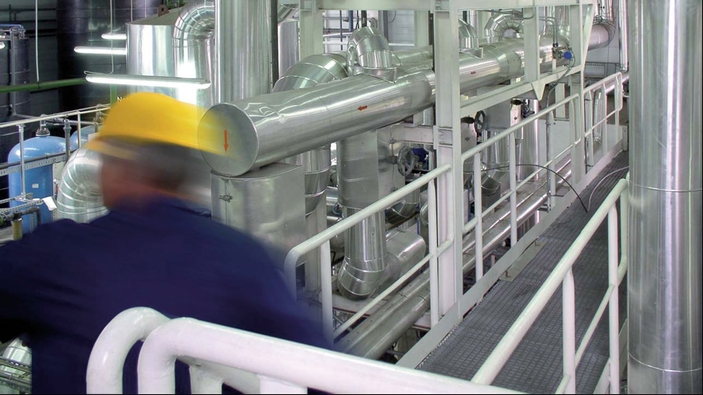
Industrial production depends on large and continuous energy flows, from steam and heat to electricity and fuels. While largely invisible to end users, energy consumption in process industries has a direct impact on CO2 emissions, operating costs and process stability. Sustainable energy management for industrial processes goes beyond isolated efficiency measures. It focuses on understanding, measuring and optimizing how energy is generated, distributed and consumed across a plant – without compromising safety, product quality or availability.
Sustainable industrial energy management helps operators reduce energy losses, manage peak loads and lower CO₂ emissions. Thanks to transparent energy data and reliable measurement, it becomes a key driver for efficient, low‑carbon production. Explore how optimizing steam, boilers, energy‑intensive processes and increasingly critical utilities, such as data center cooling, helps make energy measurable and controllable.
Key facts
What is sustainable energy management?
Sustainable energy management focuses on understanding, measuring and optimizing energy across industrial processes. It covers energy generation, distribution and consumption, integrating utilities such as steam and electricity with production processes.
Unlike isolated efficiency measures, it takes a system-wide approach. By combining process data with energy data, operators can improve transparency, make informed decisions and continuously optimize performance.
High-impact operational upgrades
Deploying practical industrial energy efficiency measures often yields immediate financial returns. Instead of investing massive capital in entirely new facilities, retrofitting older plants for energy savings is a highly effective approach. Key upgrades include:
Optimizing compressed air systems efficiency: Repairing minor pipeline leaks and lowering baseline pressure settings can drastically reduce your plant's base electrical load.
Waste heat recovery systems for factories: Capturing otherwise lost exhaust heat to pre-warm incoming boiler water or ambient air slashes fossil fuel requirements.
Demand side management for large-scale operations: Shifting highly energy-intensive production tasks to off-peak utility hours stabilizes local grid demand and eliminates peak pricing penalties.
Related applications
Learn more about energy measurement and improving industrial energy efficiency
Manage energy more effectively through reliable insights
Understanding where and how efficiently energy is consumed is the first step toward reducing costs and improving sustainability. Explore practical approaches to monitoring utilities, increasing transparency and making informed decisions across your operations.
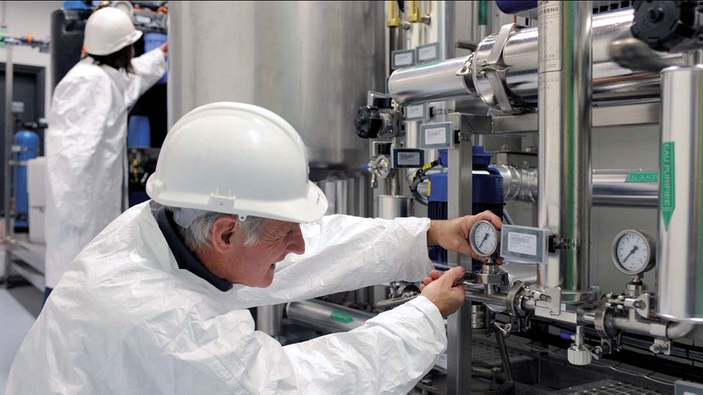
Operational efficiency in process control and industrial applications is critical. Plant personnel must uncover ways to save energy and costs while maintaining safety, quality, reliability and uptime.
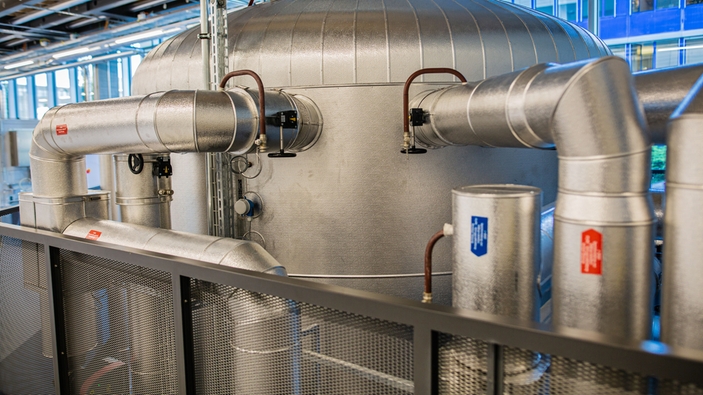
Steam serves as a crucial heat transfer medium across various industries, emphasizing the utmost priority on safety throughout its production, distribution and utilization.
Heating and cooling systems are crucial in daily operations. Learn about waste heat recovery (WHR), district heating and cooling, process heating and cooling, saving energy and costs in this utility
Learn more about how to lower your energy costs with process instrumentation. Download the infographic for some tips and what to think about with your measurement technologies.
Integrating renewable energy into industrial processes is an increasingly important step toward sustainable operations. When evaluating scalable solutions, companies typically assess options such as on-site solar generation and power purchase agreements (PPAs) to secure a reliable and cost-effective energy supply.
To completely decarbonize, manufacturers must look beyond standard electricity grids. The electrification of industrial heating processes is rapidly replacing traditional fossil-fuel burners with highly efficient industrial heat pumps and electric arc furnaces. For specialized sectors where direct electrification isn't viable, blue or green hydrogen applications in heavy industry, such as steel, chemical or cement production, offer a powerful, zero-emission fuel alternative.
However, the inherent intermittency of renewables requires reliable backup. If you are exploring what are industrial energy storage solutions, options now range from massive lithium-ion battery banks to advanced thermal storage tanks. These systems guarantee uninterrupted production, smoothing out power fluctuations when solar or wind yields are low.
Ready to optimize your energy management?
Take the next step toward sustainable energy management and efficiency gains. Our local Endress+Hauser experts are ready to support you.
Optimizing industrial energy consumption is an ongoing journey of continuous improvement. By combining precise auditing, tight process control, smart measurement solutions and targeted mechanical upgrades, manufacturers can confidently future-proof their operations. Embrace these actionable strategies today to build a more resilient, cost-effective and ecologically responsible industrial future.
FAQ
Everything you need to know about sustainable energy management
Endnotes
Looking for more?
Energy savings solutions eBook for all industries
Many opportunities exist for savings in steam, compressed air, heating, cooling and industrial gases utility networks. Comprehensive energy monitoring can cut energy consumption anywhere from 5-15%.
We value your privacy
We use cookies to enhance your browsing experience, collect statistics to optimize site functionality, and deliver tailored advertisements or content.
By selecting "Accept all", you consent to our use of cookies.
For further details please review our cookie policy .




.jpg "Improve energy efficiency with process instrumentation")


